
A well-kept lawn does more for your business than you might think. It is the first thing clients see when they pull into your parking lot. It sets the tone before anyone even walks through your door.
But keeping commercial grass healthy in Houston is a real challenge. The summer heat is intense, the soil can be tough to work with, and rain patterns are unpredictable. Without the right approach, even a healthy lawn can go downhill fast.
This guide walks you through the best commercial lawn mowing practices for Houston properties. Whether you manage a corporate campus, a retail center, or an apartment community, these tips will help you keep your lawn looking sharp all year long.
Why Lawn Mowing Matters More Than You Think
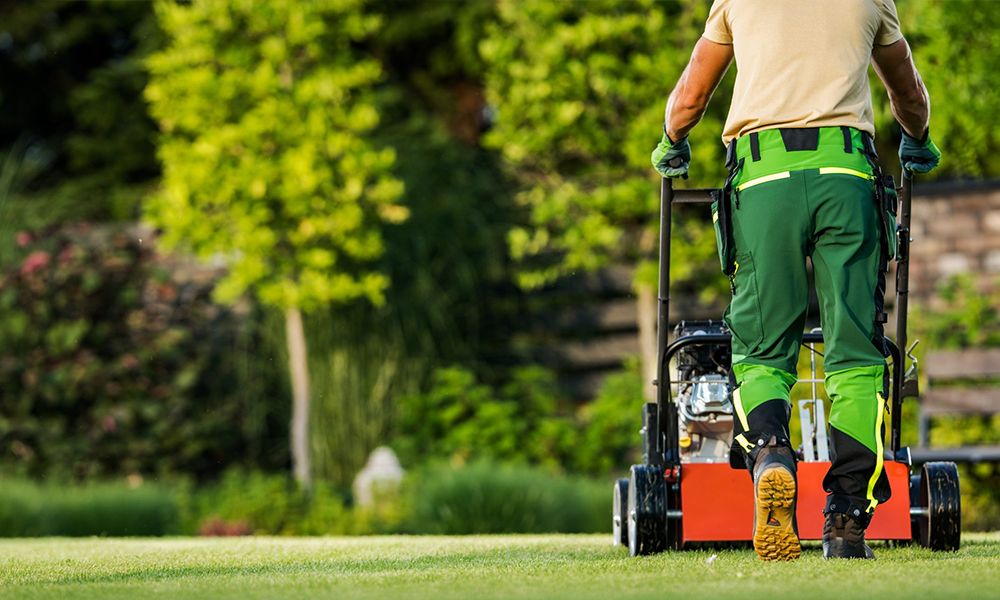
Mowing is not just about keeping grass short. When done right, it actively improves the health of your turf. When done wrong, it can weaken grass, invite weeds, and create more problems down the road.
For commercial properties in Houston, the stakes are even higher. Patchy, overgrown, or scorched grass makes a bad impression. It can also create safety concerns, like uneven surfaces or areas that attract pests.
A consistent, professional mowing program protects your property investment and keeps your outdoor spaces looking welcoming every single day.
Brookway Insight
Houston's warm, humid climate means grass can grow fast during spring and summer. Without a regular mowing schedule, turf can go from tidy to overgrown in less than two weeks. Staying ahead of growth is the key to low-effort, high-impact results.
Know Your Grass Type
Before you set a mowing schedule, you need to know what type of grass you have. Houston's climate is well-suited to warm-season grasses. Each type has its own ideal cutting height and growth pattern.
St. Augustine is by far the most common turf type on Houston commercial properties. It thrives in the heat but does not like being cut too short. Bermuda grass handles heavy foot traffic well, making it a solid choice for sports fields and high-use areas.
Knowing your grass type helps you set the right cutting height from the start. This is one of the most important factors in keeping commercial turf healthy.
Cut Only One-Third at a Time
This is the single most important mowing principle for any commercial property. The rule is simple: never cut more than one-third of the grass blade in a single mowing.
Cutting too much at once puts your lawn under stress. Grass that is cut too aggressively can turn yellow, become thin, and struggle to recover. In Houston's summer heat, stressed grass can burn out quickly.
Here is a practical example. If your target height for St. Augustine grass is 3.5 inches, do not let it grow past 5.25 inches before mowing. If a site visit was missed and the grass has gotten longer, raise your cutting height gradually over the next few visits to bring it back down safely.
Pro Tip from Brookway
During Houston's peak summer months, consider raising your cutting height slightly. Taller grass shades the soil, retains more moisture, and holds up better against the heat. This is especially important during drought conditions or extended dry spells.
Plan Your Lawn Mowing Schedule
One schedule does not fit all commercial properties. The right frequency depends on your grass type, property usage, and the time of year.
Houston has a long growing season. Warm-season grasses can remain active from March through November, with peak growth happening in late spring and early summer.
For high-traffic sites like retail centers or corporate campuses, weekly mowing during the growing season keeps things looking consistently professional. For lower-traffic properties like industrial sites or storage facilities, a biweekly schedule may be enough.
The key is to set a schedule based on real growth rates, not just a fixed number on the calendar. A good grounds maintenance partner monitors your lawn and adjusts frequency as needed throughout the year.
Mowing Techniques That Protect Your Turf
How you mow matters as much as when you mow. These are the techniques that separate professional results from average ones.
Alternate Your Mowing Pattern
Mowing in the same direction every time causes grass to lean one way and can lead to soil compaction over time. Changing your mowing pattern on each visit, rotating between horizontal, vertical, and diagonal passes, encourages upright grass growth and reduces wear on the turf.
Keep Blades Sharp
Dull mower blades do not cut grass cleanly. They tear and shred it, leaving ragged, brown-tipped blades that are more vulnerable to disease and heat stress. Blades should be sharpened regularly and replaced when worn out. A clean cut heals faster and keeps your lawn looking its best.
Avoid Mowing Wet Grass
Houston gets heavy rain. Mowing on waterlogged ground damages turf, compacts soil, and leaves ruts that are difficult to fix. It also causes uneven cuts and can spread fungal disease across your lawn. Wait until the grass is dry before mowing whenever possible.
Edge Every Visit
Clean edges make a massive difference to how a commercial lawn looks. Edging along sidewalks, driveways, and flower beds creates a sharp, well-maintained appearance that clients and visitors notice immediately.
Manage Clippings Correctly
For most Houston commercial lawns, mulching clippings back into the turf is the best option. Finely chopped clippings break down quickly, return nutrients to the soil, and reduce the need for fertilizer applications. On prestige sites where a very clean finish is required, collecting clippings is the better choice.
Common Lawn Mowing Issues in Houston
Mowing in Houston comes with its own unique set of challenges. Understanding them helps you plan ahead and avoid common mistakes.
The Summer Heat
Houston summers are hot and humid. Grass under heat stress is more vulnerable to scalping, disease, and drought damage. During extreme heat, raise your mowing height, avoid cutting during the hottest part of the day, and ensure your irrigation system is functioning properly.
Heavy Rainfall and Drainage Issues
Houston is no stranger to heavy rain. Poor drainage can lead to waterlogged turf, root rot, and fungal problems. Standing water also delays mowing schedules and makes ground conditions unsafe for equipment. If you notice low areas that stay soggy after rain, it may be time to look at drainage solutions for your property.
Lawn Pests
Chinch bugs are one of the biggest threats to St. Augustine grass in Houston. They damage turf by sucking the moisture out of grass blades, leaving behind large patches of yellowed, dying grass. Grubs, armyworms, and fire ants are also common issues on Houston commercial properties.
Staying on top of pest activity is a critical part of any commercial lawn care program. The sooner problems are identified, the easier and cheaper they are to fix.
Weed Pressure
Houston's warm climate is ideal for weed growth. Common problem weeds on commercial properties include crabgrass, nutsedge, dollarweed, and broadleaf weeds. Without a proactive weed control program, weeds can quickly compete with grass for water and nutrients, weakening your turf over time.
Best Equipment for Lawn Care
The right equipment for your site depends on the size of your property, the type of grass, and the terrain. Here is a quick breakdown of the main options:
Whatever equipment is used, pre-start checks are non-negotiable on commercial sites. Checking blade condition, fuel levels, tire pressure, and safety features before each visit prevents breakdowns and ensures a consistent cut quality.
Create a Custom Lawn Care Plan
Every commercial property is different. A one-size-fits-all approach rarely delivers the best results. A site-specific lawn care plan sets out exactly what needs to happen at your property, how often, and why.
A good plan covers the following:
- Grass type and target cutting height
- Mowing frequency by season
- Edging and trimming requirements
- Clipping disposal method
- Irrigation schedule and monitoring
- Fertilization and weed control calendar
- Pest inspection checkpoints
- Post-visit reporting and communication
This kind of structured plan makes it easy to maintain consistent standards across your property, even when different crew members are on site. It also gives property managers a clear record of what has been done and when.
Brookway's Approach
We create a customized maintenance plan for every commercial property we serve in Houston. Before any work begins, we carry out a full property evaluation to identify your turf type, current condition, irrigation setup, drainage concerns, and any existing pest or weed issues. This allows us to build a plan that protects and improves your lawn from day one.
The Role of Irrigation in Lawn Mowing Success
Irrigation and mowing go hand in hand. Grass that does not receive enough water becomes stressed, grows unevenly, and is harder to mow cleanly. Overwatered grass grows too fast, becomes soft and prone to disease, and can lead to drainage problems.
For Houston commercial properties, a properly calibrated irrigation system makes a huge difference to mowing results. Consistent, targeted watering encourages even growth across the entire lawn, which leads to cleaner cuts and a more uniform appearance.
Signs your irrigation system may be affecting your lawn's performance include dry patches that do not respond to rainfall, soggy areas that take too long to drain, unusually fast or uneven growth in certain zones, and higher-than-normal water bills.
Manage Trees for Better Turf
Trees on commercial properties affect the lawn more than most people realize. Roots compete with grass for water and nutrients. Dense canopy blocks sunlight, creating shaded areas where grass struggles to grow. Fallen branches and debris interfere with mowing routes and equipment.
Keeping your trees healthy and well-trimmed is an important part of maintaining a high-quality commercial lawn. Proper pruning improves light penetration, reduces debris, and keeps your property looking neat and professional from top to bottom.
Invest in Expert Lawn Care
Some property managers try to handle lawn mowing in-house to save money. But when you add up the real costs, professional lawn care almost always comes out ahead.
Consider the full picture:
- Equipment costs - commercial-grade mowers, trimmers, and blowers represent a significant capital investment, plus ongoing maintenance and repair costs.
- Labor time - trained crew members spend time mowing, edging, and cleaning up when they could be focused on core property management tasks.
- Product knowledge - getting grass types, cutting heights, fertilizer timing, and pest control right requires real expertise that takes years to develop.
- Liability - professional contractors carry insurance, which protects you if anything goes wrong on your property during lawn maintenance.
- Consistency - professional crews follow structured schedules regardless of staff changes, vacation, or equipment issues.
A commercial lawn care partner like Brookway takes all of this off your plate. You get expert, reliable results without the overhead of managing it yourself.
Industries We Serve in Houston
Brookway provides professional commercial lawn mowing and care services across a wide range of property types in Houston:
No matter what type of commercial property you manage, Brookway has the experience, equipment, and local knowledge to keep your lawn looking its best throughout the year.
Ready to Raise the Standard of Your Commercial Lawn?
A professional, well-maintained commercial lawn is one of the easiest ways to improve how your property looks and feels. It signals to clients, employees, and visitors that your business takes pride in its space.
Brookway has been serving Houston commercial properties with reliable, expert lawn care for years. We know the local climate, the grass types, and the specific challenges that Houston property managers face. And we build customized plans that deliver consistent, impressive results.
Call us today at (713) 466-1420 or request a free consultation online. We will assess your lawn, build a plan that fits your property, and give you a clear, competitive quote.
Let Brookway take care of your lawn so you can focus on running your business.