Your commercial lawn speaks for your business. Before clients walk inside, they see the grass, trees, and landscaping. If your lawn looks clean and healthy, it shows you care about your property. It sends a simple message: you take pride in your work.
If you manage a commercial property in Near Northwest or Laurel Creek, you already know how the Texas climate can be tough on grass and plants. Hot summers, heavy rain, and humid conditions create challenges that require more than just a weekend mow.
The good news? With the right lawn care plan, your property can look great all year long. Here are some practical, easy-to-follow tips to help you keep your commercial lawn healthy and attractive every season.
1. Start With a Smart Irrigation and Sprinkler System
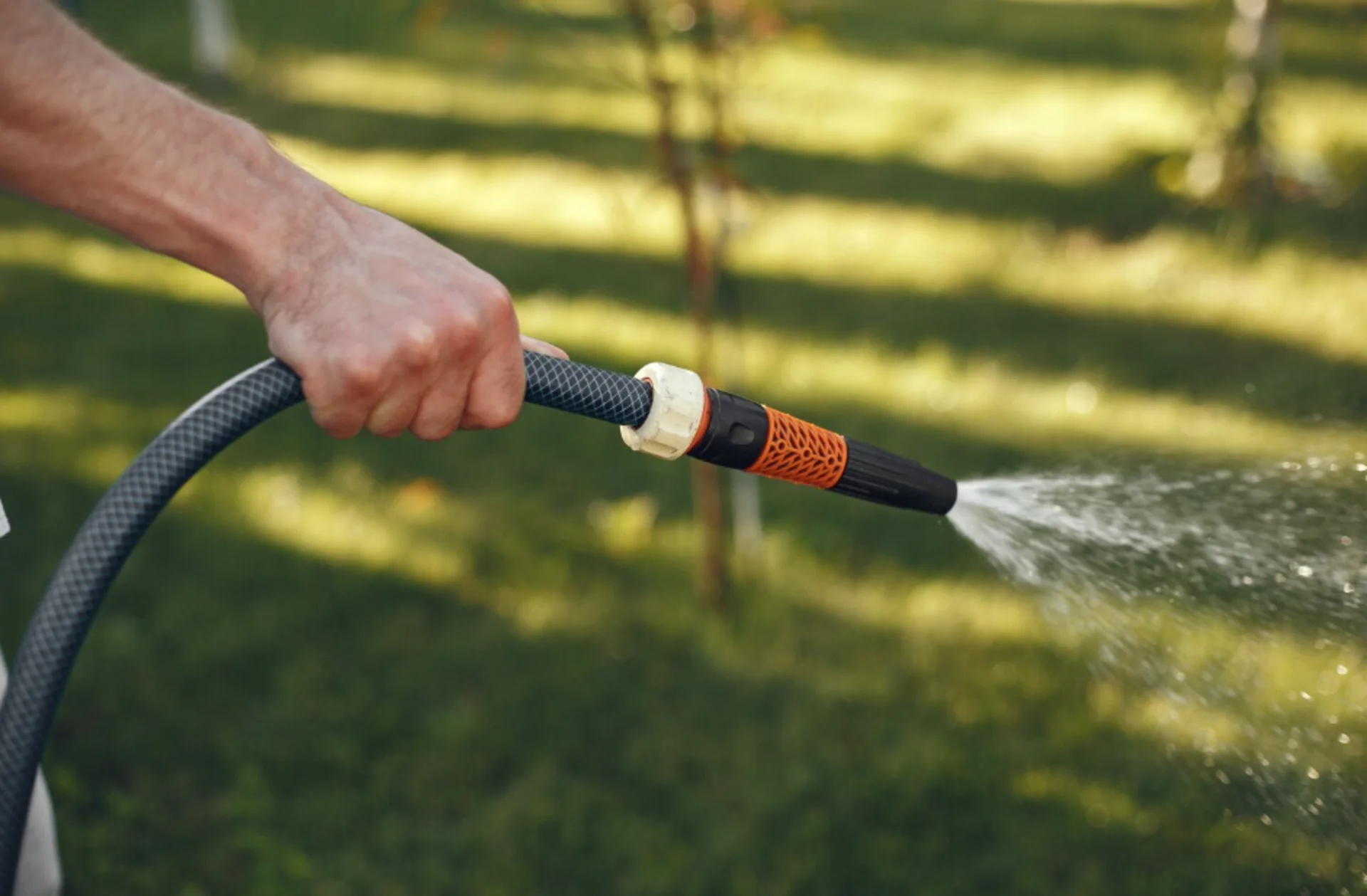
Water is everything when it comes to a healthy lawn. Too little, and the grass turns brown. Too much, and you invite disease and soggy, damaged roots. Getting the balance right is one of the most important things you can do for your commercial property.
For commercial lawns in Near Northwest and Laurel Creek, a well-maintained irrigation and sprinkler system is a must. The Texas heat can dry out soil fast, especially in the middle of summer, so your system needs to work properly every single time.
A few things to check regularly include whether all sprinkler heads are pointing in the right direction, whether there are any leaks or broken heads wasting water, and whether the system is running on the right schedule for the current season.
If you notice dry patches or overwatered spots on your lawn, it may be time for an irrigation and sprinkler system inspection or repair. A small problem left unchecked can turn into a costly fix later on.
Setting your sprinklers to run early in the morning, before 10 a.m., is also a smart move. This gives the grass time to soak up moisture before the afternoon heat arrives.
2. Fertilize on a Regular Schedule
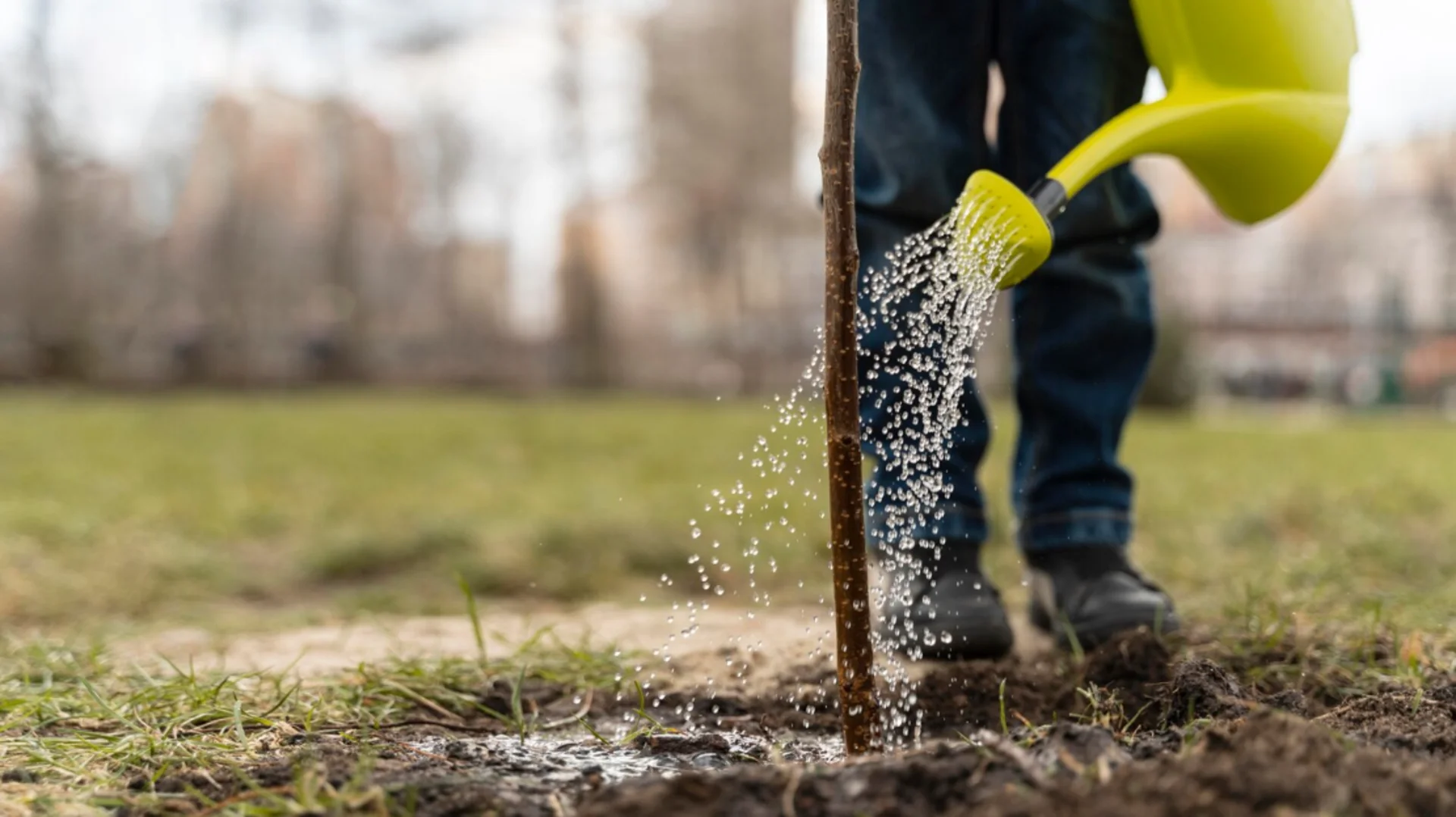
A lush, green commercial lawn does not happen by accident. Your grass needs regular nutrients to stay strong and healthy, especially when foot traffic and daily business activity put extra stress on the turf.
Fertilization services give your lawn the right mix of key nutrients. Without them, you will start to notice thin, pale, or patchy areas spreading across your property over time.
In the Near Northwest and Laurel Creek areas, a seasonal fertilization schedule works best. This typically means treating your lawn in the spring, summer, and fall. Each season brings different needs for your grass, so using the right product at the right time makes a real difference.
A professional lawn care team can assess your soil and put together a fertilization plan that fits your property's specific needs. Trusted lawn care services in Houston can take the guesswork out of this process entirely.
3. Tackle Weeds Before They Take Over

Weeds are more than just an eyesore. They compete with your grass for water, sunlight, and nutrients. On a commercial property, a weedy lawn can make your business look neglected, which is never a good impression.
Weed control services are one of the best investments you can make for your commercial lawn. The goal is not just to remove existing weeds but to stop new ones from sprouting in the first place.
Pre-emergent treatments are applied before weeds even appear above the soil. Post-emergent treatments target weeds that are already visible. A solid weed control program uses both, depending on the time of year.
Common weeds in the Near Northwest and Laurel Creek area include crabgrass, dandelions, and clover. These can spread quickly if left untreated, especially during the warm and wet months.
Staying consistent with your weed control schedule is key. Skipping even one treatment cycle can give weeds the chance to take hold and spread fast.
4. Protect Your Lawn From Pests
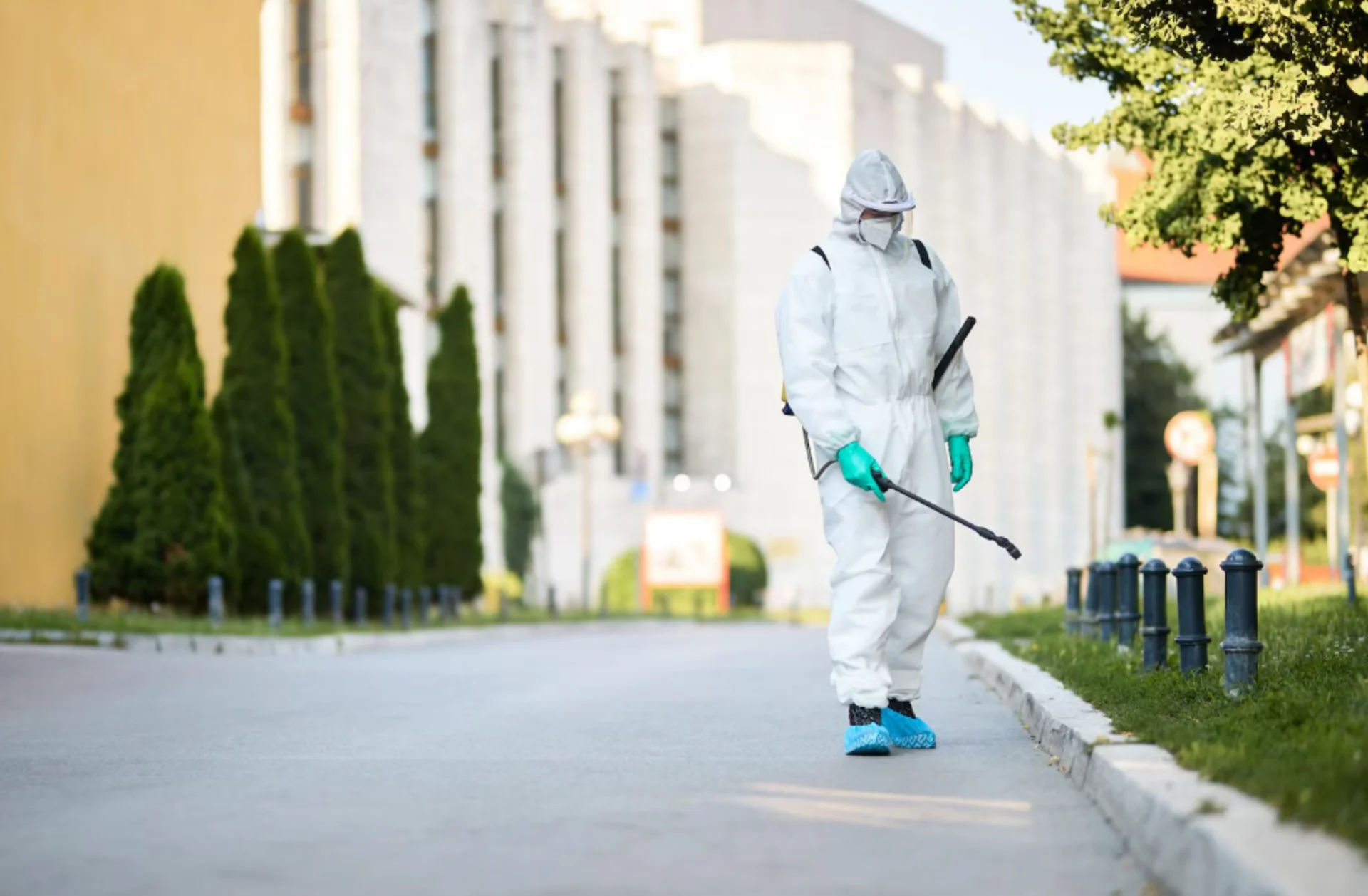
Pests can cause serious damage to commercial lawns, and many property owners do not even realize there is a problem until the damage is already done. Grubs, chinch bugs, and fire ants are among the most common offenders in this part of Texas.
Pest control services for lawns focus on identifying and eliminating harmful insects before they destroy your turf. Warning signs that your lawn may have a pest problem include brown or dead patches, thinning grass, or visible insect activity near the soil surface.
Regular inspections and treatments can catch problems early. This is especially important for large commercial properties, where a pest issue can spread quickly across a wide area.
A good pest control program is designed to be safe for people, pets, and the surrounding environment. Be sure to ask your lawn care provider about the products they use and how they approach pest management responsibly.
5. Do Not Overlook Drainage Problems
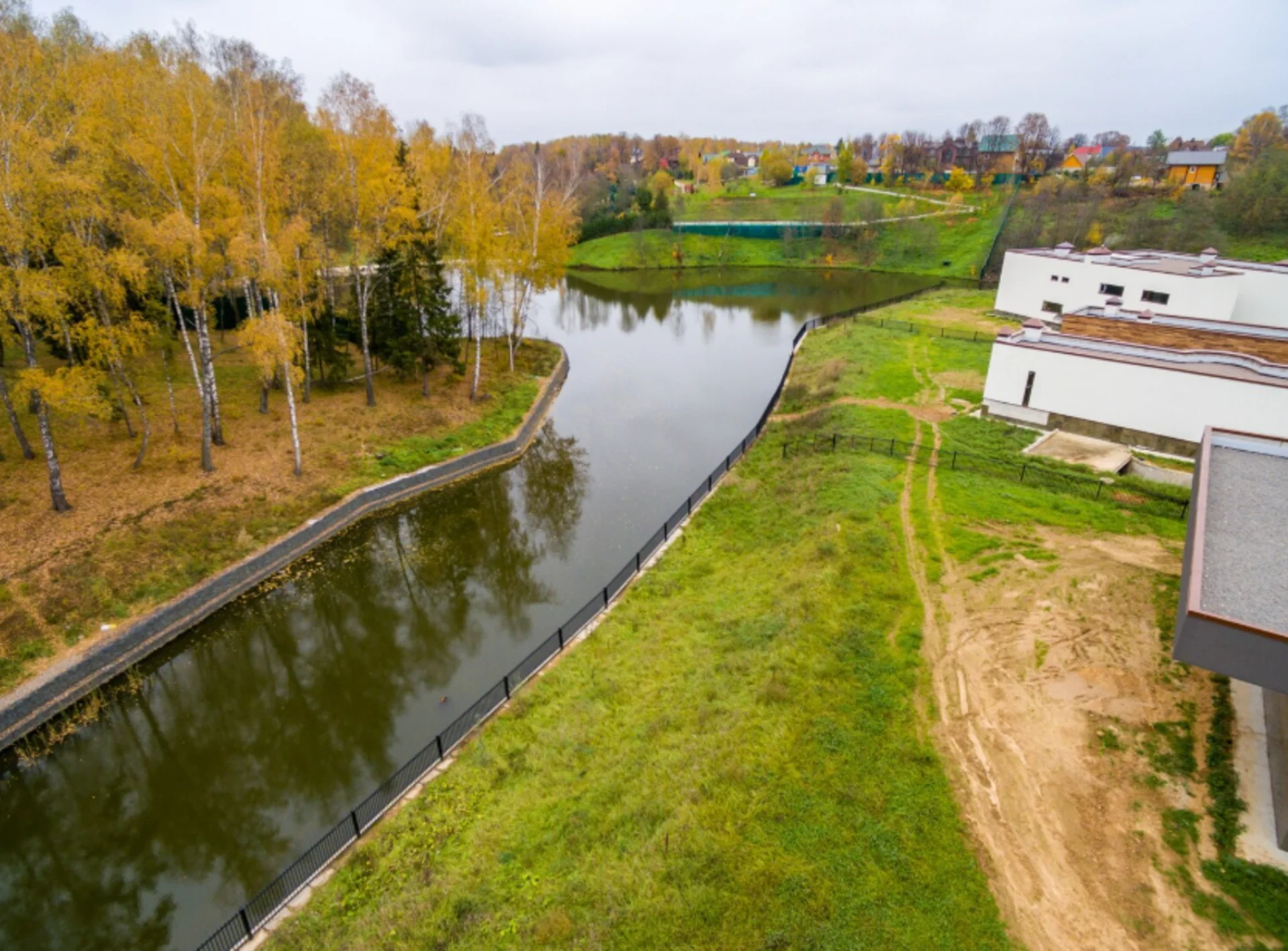
Standing water after a rainstorm is not just an inconvenience. It can suffocate grass roots, encourage mold and fungus growth, and attract mosquitoes. Poor drainage is a common issue for commercial properties in Near Northwest and Laurel Creek, particularly during Houston's rainy season.
Drainage services help redirect water away from problem areas so your lawn can dry out and breathe properly after heavy rain. Solutions may include installing French drains, adjusting the grading of the land, or adding drainage channels to low-lying sections of your property.
If you notice water pooling in the same spots after every rain, that is a clear sign that drainage improvements are needed. Leaving the problem unaddressed will only lead to more damage over time, including dead grass, soil erosion, and increased repair costs.
Addressing drainage early in the year, before the rainy season arrives, is the smartest approach. It protects your lawn investment and keeps your property looking its best.
6. Keep Your Trees Healthy and Well-Maintained
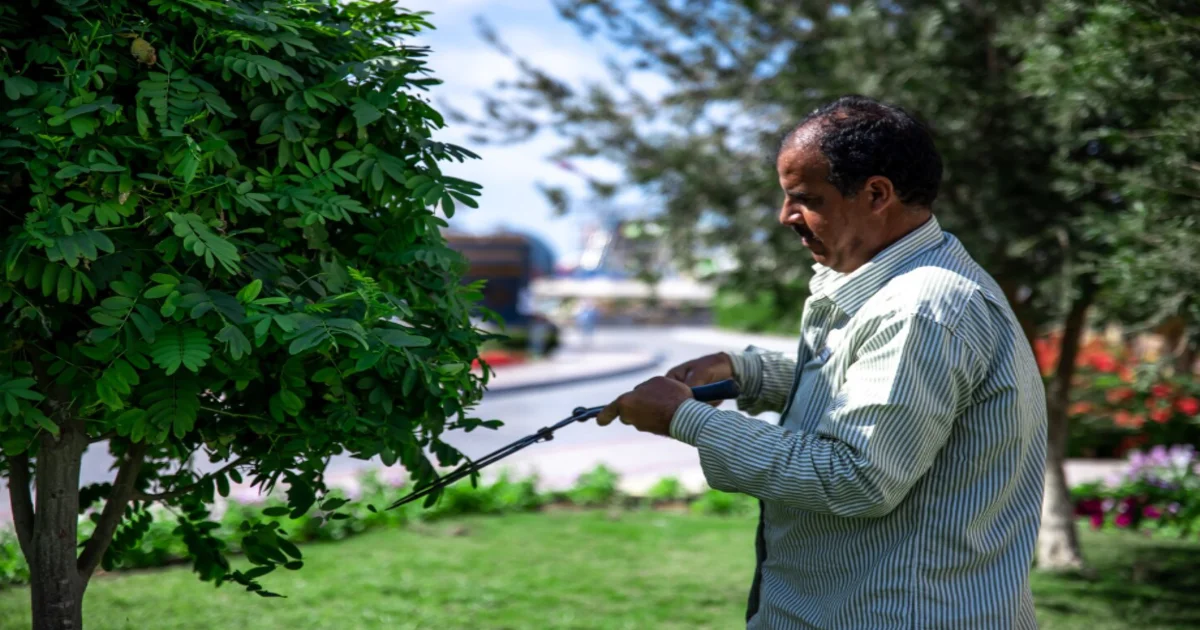
Trees are a major asset to any commercial property. They provide shade, boost curb appeal, and add real value to your space. But just like your lawn, trees need regular care to stay healthy and safe.
Tree care services for commercial properties include trimming, pruning, and the removal of dead or diseased branches. This matters not just for appearance, but also for safety. Dead or overhanging branches can fall and cause damage or injury, creating a real liability concern for any business owner.
Regular pruning also helps trees grow stronger and more evenly shaped. It improves airflow and sunlight reach, which benefits both the trees and the grass growing around and beneath them.
In Near Northwest and Laurel Creek, common tree concerns include storm damage, root problems, and seasonal disease. Having a professional assess your trees at least once a year is a wise and worthwhile investment.
Build a Year-Round Lawn Care Plan That Works
The most successful commercial property owners do not wait for problems to show up. They partner with a trusted lawn care team to build a year-round maintenance plan that keeps everything running smoothly.
A complete plan should cover seasonal fertilization, consistent weed control treatments, irrigation system checks and repairs, pest inspections and treatments, drainage assessments, and regular tree trimming and care.
When all of these elements work together, the result is a commercial lawn that looks great no matter the season. It also saves you money over time by catching small issues before they turn into big, expensive problems.
Ready to Get Your Commercial Lawn in Top Shape?
If you manage a commercial property in Near Northwest, Laurel Creek, or anywhere in the Houston area, now is the perfect time to invest in a professional lawn care plan.
Whether you are looking for reliable commercial lawn care in Houston or want expert advice on where to start, the right team makes all the difference.
A healthy, well-maintained lawn reflects the quality and professionalism of your business. Do not let it be an afterthought.
Reach out to the Brookway team today, and let's put together a lawn care plan that fits your property's needs and your budget.
Frequently Asked Questions
1. How often should a commercial property in Near Northwest or Laurel Creek be fertilized?
Most commercial lawns in the Near Northwest and Laurel Creek areas do best with a seasonal fertilization schedule. This means treating the lawn in spring, summer, and fall. Each season places different demands on your grass, so timing your fertilization correctly makes a big difference in keeping your lawn thick, green, and healthy year-round.
2. What are the signs that my commercial lawn has a pest problem?
Some of the most common warning signs include brown or dead patches appearing suddenly, grass that looks thin or weak in certain areas, and visible insect activity near the soil surface. Fire ants, grubs, and chinch bugs are frequent offenders in this part of Texas. If you notice any of these signs, it is best to schedule a professional pest inspection as soon as possible before the damage spreads.
3. Why is drainage so important for commercial lawns in Laurel Creek and Near Northwest?
Houston's rainy season can leave commercial properties with standing water that damages the grass roots, encourages mold growth, and attracts mosquitoes. Poor drainage is one of the most overlooked lawn problems for business owners in this area. If water pools in the same spots after every rain, a drainage solution like a French drain or regrading may be exactly what your property needs.
4. How do I know if my commercial property's sprinkler system needs repair?
Look out for dry or brown patches in areas that should be getting water, sprinkler heads that are tilted, clogged, or broken, and uneven watering patterns across your lawn. Overwatered spots are just as telling as dry ones. Getting your irrigation system inspected at least once a season helps catch small issues before they turn into costly repairs.
5. Can weeds really damage a commercial lawn?
Yes, they can. Weeds compete directly with your grass for water, sunlight, and nutrients. Over time, an untreated weed problem can weaken your turf, create bare patches, and make your entire property look poorly maintained. A consistent weed control program that uses both pre-emergent and post-emergent treatments is the most effective way to keep your commercial lawn weed-free throughout the year.
6. How do trees affect the overall health of a commercial lawn?
Trees and lawn health are closely connected. Overgrown or unpruned trees can block sunlight and reduce airflow, which stresses the grass growing underneath. Dead or diseased branches are also a safety risk, especially during storms. Regular tree trimming and pruning keep your trees looking great while also creating better growing conditions for the lawn around them.